Getting Started in Lifeguard Simulator
Buy or demo, settle the tower, finish your first patrol without drowning anyone.
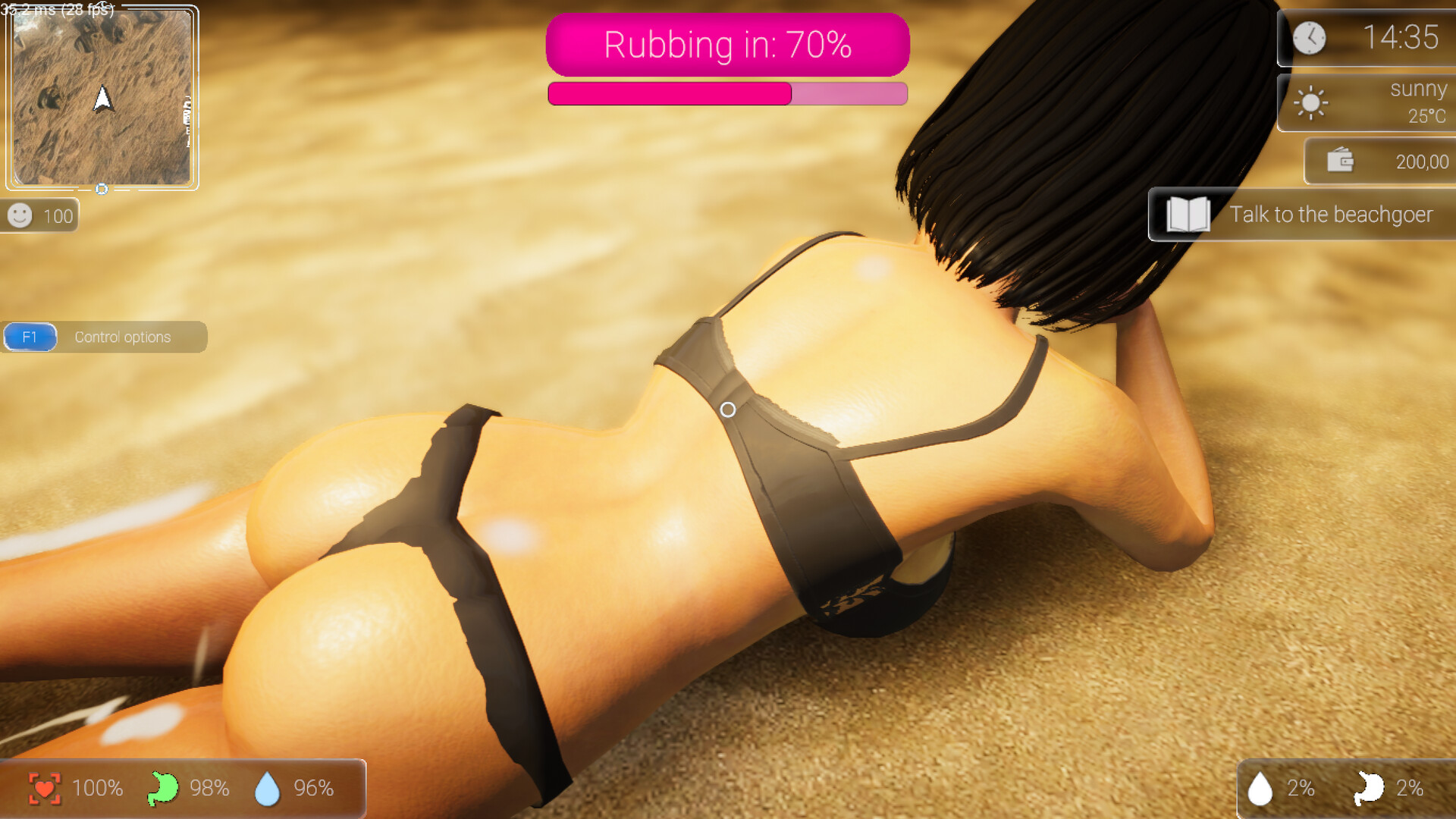
Lifeguard Simulator (also called Lifeguard Sim) drops you on a crowded beach as a first-person lifeguard. Early Access began on Steam on November 27, 2026 for $9.99 (introductory −10% to $8.99 through December 11). Developer and publisher: FreeMind S.A., with PlayWay S.A. as co-publisher. This page is your first-hour plan: install, learn the tower, complete a clean patrol loop, and know what to unlock next.
Buy, demo, or both
Full game Steam app ID is 1320170. A separate demo (app 4743410) remains useful if you want to test performance before buying. Minimum specs call for Windows 10 64-bit, an Intel Core i5-class CPU, 8 GB RAM, a GTX 1060 6 GB, DirectX 11, and about 13 GB disk; recommended steps up to an i7, RTX 2060, DirectX 12, and ~15 GB. Full detail lives on System requirements. English has full audio; many other languages offer interface and subtitles.
After install, launch once and confirm your Controls — especially interact, sprint, swim dive, vehicle enter/exit, and the radio/HUD prompts you will mash during emergencies. Bind anything uncomfortable before day one; mid-rescue remapping is how people lose the oxygen race.
Certification mindset and the tower
Treat the opening shift like a certification exam, not a sandbox. Your rescue tower is home base: binoculars and cameras for surveillance, storage for gear, and the hub where HQ expectations land. Learn the sight lines over the swimming zones and the paths down to the sand and docks. A short tower check at the start of every day — fuel status, craft readiness, food/drink on hand — prevents the classic failure of sprinting to a drowning with an empty jet ski.
From the tower you will also pick up HQ radio calls. Some are soft objectives (ticket a litterer, move a party). Others are hard interrupts (person under, shark, Code Red). Train yourself to pause shore chores the instant a water emergency appears. The game’s drowning logic is unforgiving: swimmers have on the order of five minutes without oxygen underwater. Hesitation is a fail state.
Your first patrol loop
A healthy first patrol looks like this:
- Tower brief — Note active duties and scan the water with cameras or binoculars.
- Shore sweep — Walk or take a quad bike along the sand. Ticket littering and recklessness, break up rowdy partygoers, and watch for unattended children near the waterline. See Beach patrol for the full shore duty list.
- Water readiness — Confirm a jet ski or motorboat is fueled and accessible. If a drowning spawns far out, swimming alone wastes the oxygen clock.
- Respond and recover — Reach the victim, secure them (rescue tube / tow), get them to safety, and run first aid / CPR prompts as required. Deep technique is covered in How to rescue.
- Reset — Refuel at the gas station, restock food and drinks, and return unfinished tickets before the day ends.
Do not chase every optional toy on day one. Metal detector beach searches, jellyfish catching, object kicking, water-bucket splashes, and top-down camera mode are fun — and useful later — but they are secondary to keeping people alive and closing HQ tasks.
Fuel, food, and vehicles
Vehicles in EA include quad bikes (shore speed), jet skis (nearshore rescues), motorboats (distance and capacity), drones (scouting), and a helicopter for the heaviest responses. Rankings and when to unlock each craft are tracked on the Vehicles tier list. Practically, day-one priority is: keep at least one fast water craft fueled, keep the quad available for beach sprints, and never leave the gas station trip for “later” when the tank is already low.
Buy food and drinks so stamina and focus do not collapse mid-shift. A lifeguard who ignores supplies will miss radio cues and swim slower when it matters. Think of logistics as part of the score, not busywork.
What to unlock next
After a clean first day, prioritize in this order:
- Comfort with tower surveillance and radio triage.
- Reliable jet ski rescues inside the oxygen window.
- Efficient ticket and litter loops so shore score stays high without tunnel vision.
- Reading the Day walkthrough so you understand how days 1–10 escalate and how day 11+ randomizes objectives.
- Skimming the Early Access overview for what content is in now versus still planned across the ~12-month EA window.
Optional side systems (metal detector, marine animal assists, self-defense against aggressive NPCs, achievements) can fill quieter minutes once the core loop feels automatic.
Common first-hour mistakes
- Ignoring the tower and living only on the sand — you will miss distant drownings.
- Always swimming to offshore victims — burn the clock; take a craft.
- Empty tank when Code Red hits — refuel proactively.
- Finishing every ticket before looking at the water — water always preempts paperwork.
- Skipping the demo on a borderline PC — validate the GTX 1060-class experience first if you are unsure.
When you finish this checklist, jump to Beach patrol for shore mastery and How to rescue before you push into deeper scenarios. Browse the full Guides Hub anytime you need the map of tutorials, or the Tools Hub for quick references. Official Discord and studio links sit on Links.
Frequently Asked Questions
Quick answers to the most common questions.
Is there a free way to try Lifeguard Simulator?
Yes. Steam still lists a demo (app 4743410) alongside the full Early Access game (app 1320170).
How long do drowning victims last underwater?
Plan around a roughly five-minute oxygen window without air. Treat every underwater victim as a hard timer, not a soft suggestion.
Should I buy a jet ski before anything else?
Prioritize having at least one fueled water craft ready. Jet skis shine for nearshore speed; boats help farther out. Check the Vehicles tier list for unlock order.
Is Lifeguard Simulator multiplayer?
No. Early Access is single-player only.
Where do I refuel and buy supplies?
Use the gas station for vehicles and buy food/drinks to keep stamina up. Make both part of your end-of-loop reset, not an afterthought.